

 Trade W
- Prioritize regulation, mobile, UX, education, and support when choosing.
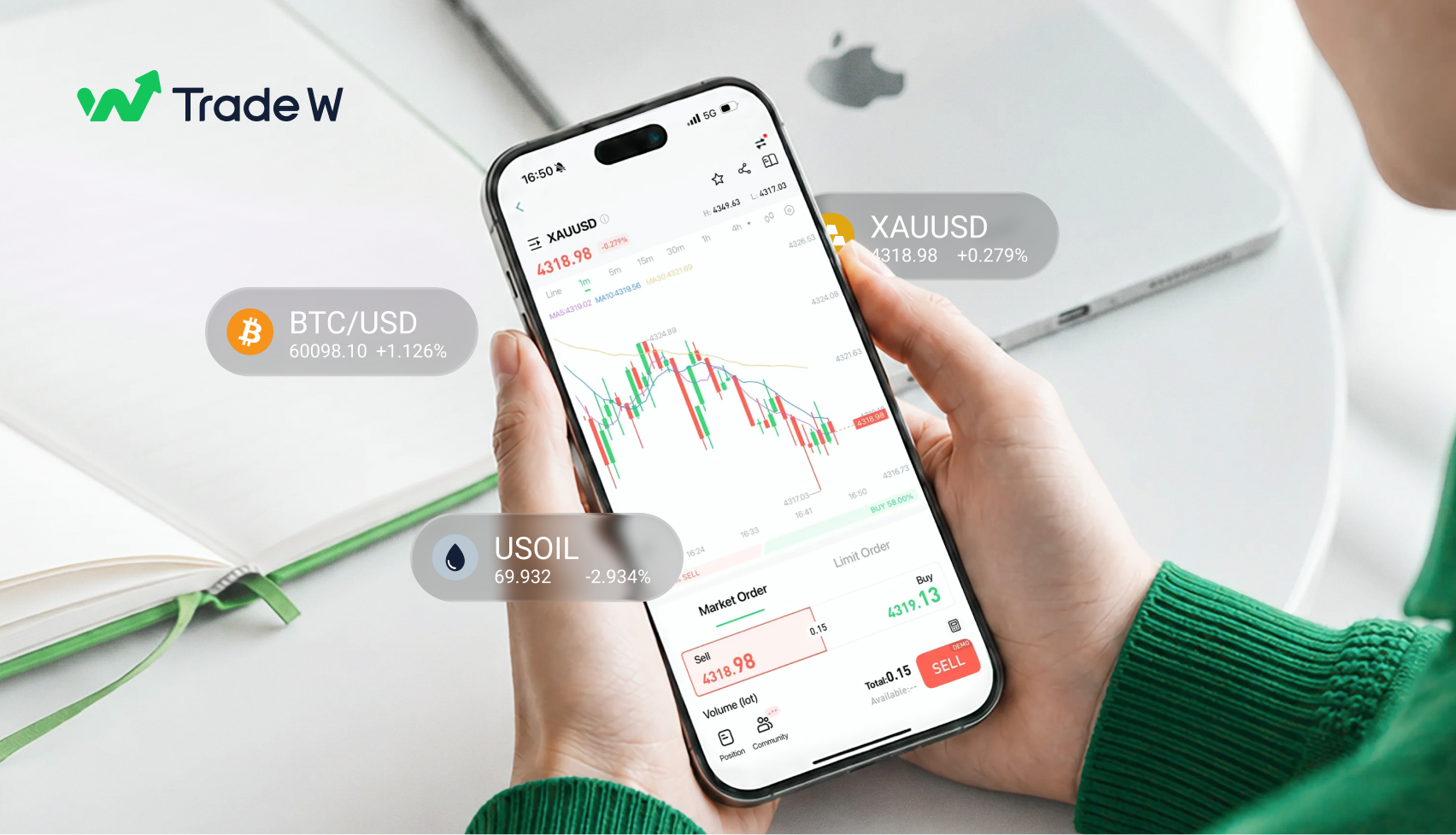
Choosing a trading platform used to be a fairly dry decision, but now it's much harder, as it shapes almost everything about how a person experiences the markets, whether that means how quickly an order goes through or how much is understood before money is committed. With so many platforms flooding the market, picking the right one has quietly become a crucial skill.
The checklist for a good broker isn't a secret anymore; the real challenge is filtering through the noise.
1. Check Regulation First: Is the Trading Platform Licensed?
Before features are even considered, the regulatory footing of any offering should be checked thoroughly. Licensing, the entity behind the brand, and the way client funds are handled all matter more than any marketing promise. A platform that is open about its registrations is usually one that has the least to hide.
2. Prioritize Mobile Trading: The Phone is No Longer a Backup
The phone is no longer a backup screen, as it used to be just a decade ago. To this point, recent industry data has made it clear that smartphones have replaced desktops as the first point of contact for most retail investors, with the global market for these platforms expected to reach roughly $12.57 billion this year.
In sum, a genuine mobile trading platform, built for the small screen rather than squeezed onto it, is now treated as essential rather than a nice extra.
3. Look for a clean, beginner-friendly interface
Friction is expensive, and when a project’s layout is cluttered, beginners hesitate and small mistakes tend to creep in. The best trading platform features are often the quiet ones, such as those with the clearest navigation, fast funding, and screens that make the next action obvious. Simplicity, in other words, is not the same as being basic but a key driver that lets newcomers act with confidence.
4. Evaluate educational tools and learning resources
A platform's education library says a lot about its priorities, as tutorials, glossaries, and demo accounts can turn guesswork into understanding, which is why investor education tools have become a real differentiator rather than a footnote. Trading tools for beginners work best when they sit beside material that explains why each tool exists in the first place.
5. Test customer support before you need it
Customer service is easy to ignore, right up until a withdrawal stalls or a position behaves strangely. Response times, the channels on offer, and whether feedback actually changes the product are all worth checking early. Platforms that treat user feedback as a roadmap, rather than a complaints box, tend to age well.
6. Match the platform to target assets (forex, stocks, crypto)
A trader curious about several asset classes is poorly served by a one-trick tool, making breadth matter a lot. Trade W, for instance, is built around a customer-first model and provides access to more than 100 CFD instruments through WebTrader, a mobile app, and both MT4 and MT5. As of March 2026, the brand reported over 6 million active users across more than 50 regions, with a monthly trading volume of around $70 billion - a reminder that an online investing platform can scale globally while keeping the individual experience central.
7. Think about who the platform is built for
Expectations are shifting, and younger traders are driving the ongoing change. In this regard, recent research from the CFA Institute has found that close to 70% of Gen Z and millennial investors expect to engage through the same digital channels they use everywhere else, and a clear majority want their personal values reflected in where their money goes.
A customer-first trading experience, and a trading app for Gen Z in particular, increasingly means transparency, accessibility, and design that respects the user's time.
In sum, none of these tips call for technical expertise but rather a healthy dose of patience and a willingness to look past the homepage. A platform that handles regulation openly, works well on a phone, teaches as it goes, and listens to the people using it is rarely the flashiest name on the list. It is, more often than not, the one still being used a year later.
About Tradewill Global LLC and Trade W
Tradewill Global LLC is a registered foreign exchange broker incorporated in Saint Vincent and the Grenadines under registration number 1365LLC 2021. Tradewill Global Limited operates under the regulatory framework of the Seychelles Financial Services Authority (FSA) and holds a Securities Dealer License under licence number SD111. Both entities form part of the Tradewill group and participate in the promotion and operation of the Trade W brand.
Trade W is the flagship trading brand of the Tradewill group, operated through its affiliated entities with applicable regulatory frameworks, and is built on a customer-first philosophy. The platform delivers a seamless and secure trading experience via WebTrader, mobile app, MT4 and MT5 providing access to 100+ CFD instruments across multiple asset classes.
As of March 2026, Trade W has become a leading global multi-asset trading platform, trusted by over 5 million active users across 50+ regions, with a monthly trading volume of approximately USD 60 billion. Trade W is committed to empowering traders worldwide with reliable tools, accessible technology, and sustainable opportunities for growth.
Scan to discover Trade W.

Original Resource: Financemagnates
Disclaimer: The content of the blog does not represent any position of Trade W, does not serve as any trading-related decision advice, and does not endorse any third-party.